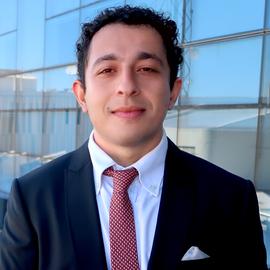
Niyazi Arslan is an Assistant Professor in the Department of Speech Pathology and Audiology at the University of South Alabama, where he directs the Electric & Acoustic Hearing Lab.
His research focuses on understanding why cochlear implant outcomes vary so dramatically between patients and developing personalized approaches to improve hearing. The lab investigates neural health assessment, electrical stimulation optimization, and pitch perception in cochlear implant users.
- Cochlear Implants
- Auditory Neuroscience
- Psychoacoustics
- Neural Health Assessment
-
Ph.D. in Speech and Hearing Science, 2025
Arizona State University
-
M.Sc. in Audiology and Speech Disorders, 2019
Marmara University
-
B.Sc in Audiology, 2017
Bezmialem Vakif University
Research Lab
Electric & Acoustic Hearing Lab
I direct the Electric & Acoustic Hearing Lab at the University of South Alabama. We investigate why cochlear implant outcomes vary so dramatically and develop personalized approaches to improve hearing.
Research Areas: Neural Health · Stimulation Optimization · Pitch Perception
Visit Lab Website →